
Why is production data collection important?
Modern production facilities operate in highly volatile conditions, where short production runs and product customisation are becoming the norm. Uncertainty in supply and global disruptions in logistics chains further complicate planning and process optimisation. Companies must adapt quickly to changing market conditions in order to remain competitive. Volatility in demand requires flexible production systems that can respond dynamically to change. Uncertainty in raw material supplies is forcing companies to seek alternative inventory management strategies and diversify their sources of supply.
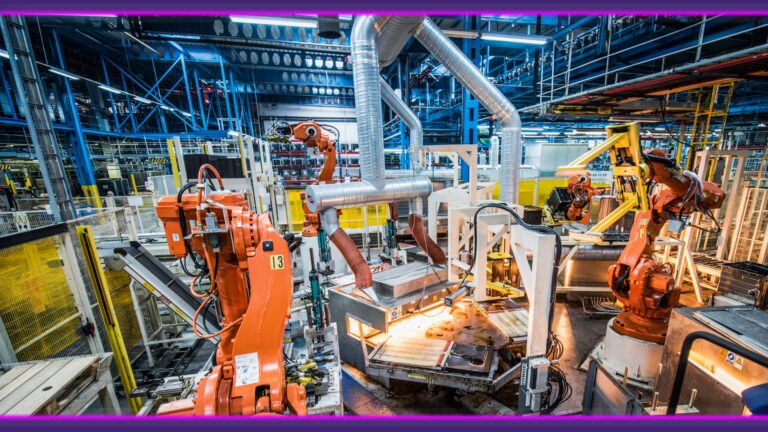
High efficiency and automation are key elements of success in modern manufacturing. Increased global competition makes operational efficiency crucial. Lean manufacturing eliminates waste and increases productivity, while automation reduces errors and increases process repeatability. More and more companies are implementing intelligent production management systems to respond more quickly to changes and make better use of available resources. However, this requires reliable and timely data on the work of people and machines.
Lean 4.0, or how to automate data collection
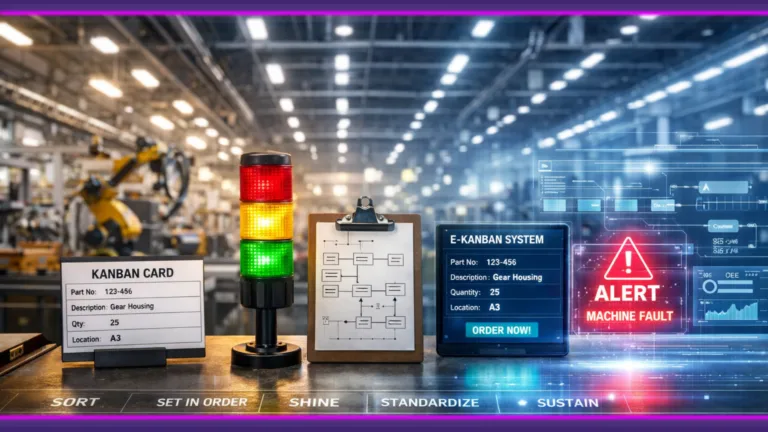
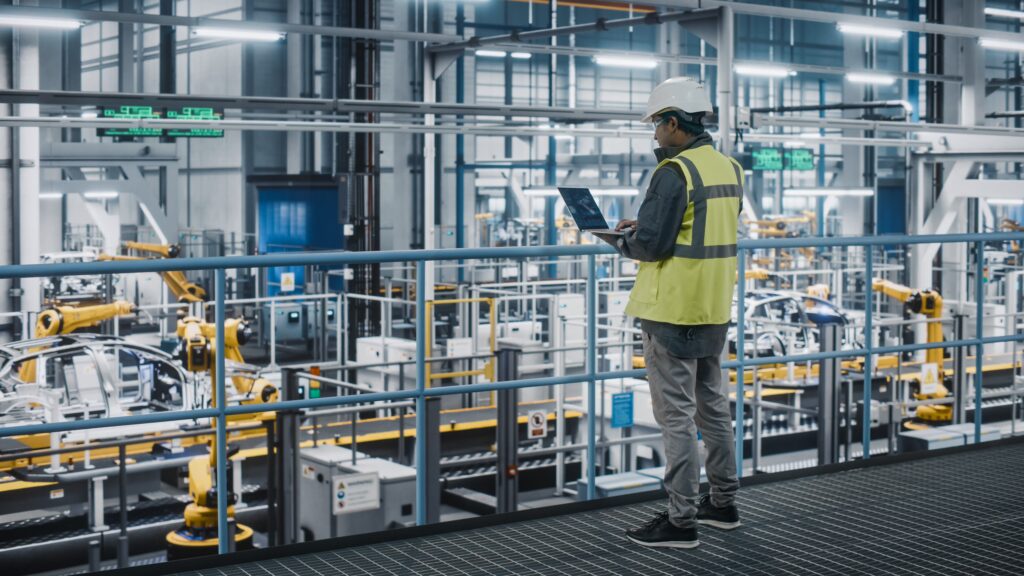
The key to optimising production is to accurately determine standard times for each stage of the process and analyse overall equipment effectiveness (OEE). OEE allows you to assess how well resources are being used by identifying losses resulting from downtime, productivity declines and quality defects. Analysing this data enables you to eliminate waste and implement improvements. Standard operation times help set realistic performance targets and identify deviations. By monitoring OEE indicators, companies can make informed decisions that lead to increased efficiency and reduced costs, which is the basis of the lean philosophy. Unfortunately, most manufacturing companies around the world do not have complete knowledge of the standard times for production operations and correctly measured efficiency indicators for production stations.
Automating data collection plays a key role in implementing lean strategies, eliminating human error and providing access to accurate information in real time. IoT sensors, status dashboards and analytical software enable continuous production monitoring, allowing problems to be quickly identified and immediately corrected. Automation reduces the time-consuming nature of manual reporting, increasing process transparency. Automatically collected data is available without delays or errors. Access to real production information has never been as easy and accessible as it is now.
What are IoT systems and what data can they collect?
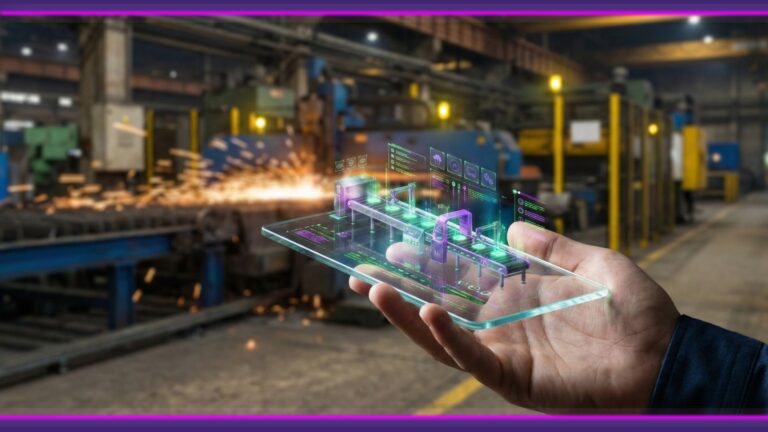
Industrial IoT systems, such as the DBR77 IoT system, enable real-time data collection and analysis. Sensors and measuring devices record information about machine operation, workstation efficiency, causes of downtime and product quality. They can also measure media consumption at the workstation. The DBR77 IoT system allows for precise tracking of each stage of production and immediate detection of irregularities. The collected data enables process optimisation, better resource management and loss reduction, which translates into increased operational efficiency and lower costs.
Continuous monitoring of processes using IoT systems such as DBR77 minimises the risk of breakdowns and losses by responding immediately to irregularities. Automatic data analysis optimises machine operation, reduces downtime and streamlines the planning of all activities. The DBR77 system monitors cycle times and machine operational efficiency, and identifies the causes of micro-downtime, providing key data for the optimisation of production processes. Analysis of this data allows for precise identification of areas requiring optimisation, resulting in an improvement in process efficiency of up to 25%. This gives companies greater control over their processes, increasing their efficiency and reducing operating costs, making IoT DBR77 a key tool in modern manufacturing.
The DBR IoT system – the key to efficiency and automation
The DBR IoT system is an advanced tool for real-time monitoring and analysis of production processes. Sensors and intelligent algorithms collect data from machines and devices and send it to a central analytics platform. The system identifies deviations from the norm, predicts failures and enables quick decision-making. Integration with other production systems ensures full process transparency and better management.
The DBR IoT system automatically processes data, detecting inefficiencies and identifying areas for optimisation. Advanced analytical algorithms analyse operational parameters, eliminating unnecessary downtime and minimising resource consumption. Processes are continuously improved based on real-time data, allowing production to be dynamically adjusted to changing conditions.
Examples of applications in a production organisation
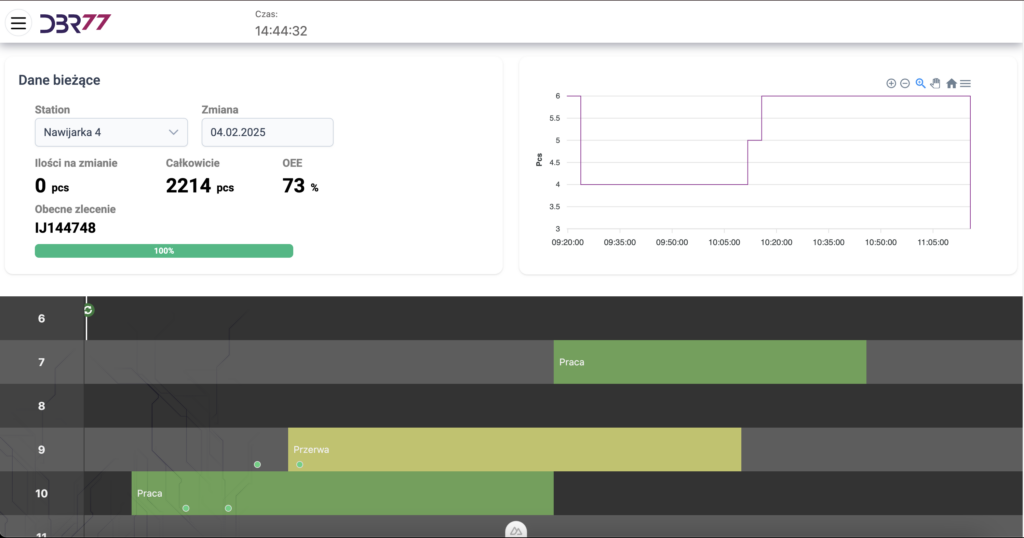
Access to accurate and up-to-date information allows managers to make decisions based on reliable data rather than intuition. The DBR IoT system integrates the collected information into clear reports and analyses that help identify trends and forecast future production needs. As a result, organisations can better plan their activities, reduce costs and respond more quickly to changing market conditions.
The DBR IoT system is used in various industries. It can monitor production lines, optimise operating schedules and automatically reduce micro-downtime. In manufacturing companies, it improves product quality through early defect detection and error elimination. An example is a manufacturing plant that, thanks to the implementation of the system, improved machine uptime by 12% and workstation productivity by 9%. Logistics companies can track material flow and optimise storage, which translates into savings and increased operational efficiency.
How to implement an IoT DBR system in your company?
The process of implementing the DBR IoT system begins with analysing needs and identifying key areas requiring monitoring. Next, it is necessary to develop an implementation strategy, including the selection of appropriate sensors, configuration of the analytical platform, and testing of the system before full launch. Another important step is the gradual implementation of monitoring functions, enabling their optimisation and adaptation to the specific nature of the company.
The entire implementation consists of just 6 simple steps:
- Defining objectives – Identify the needs of the plant. Is it about monitoring machines, optimising processes, measuring media consumption?
- Wybór odpowiednich czujników i urządzeń– Określ, jakie dane są kluczowe (np. czas cyklu, efektywność, przyczyny postojów) i dobierz właściwe czujniki.
- Building network infrastructure – Select a communication technology (Wi-Fi, LPWAN, 5G) suited to the conditions of the facility.
- Integration with existing systems – Where possible, connect IoT with ERP, MES and other digital tools to obtain a complete picture of processes.
- Real-time data analysis – Use data and AI to optimise your work and make better decisions.
- Security and cyber protection – Secure your infrastructure against cyber attacks and ensure encrypted data transmission.
How is IoT changing the world of manufacturing?
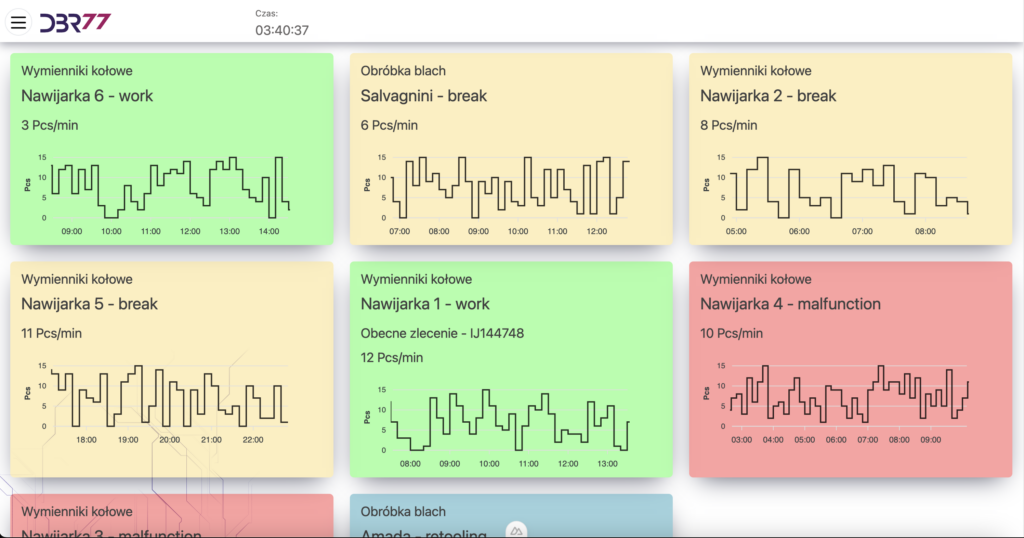
IoT systems such as DBR77 are revolutionising the manufacturing sector, enabling companies to accurately monitor processes and make data-driven decisions. By continuously tracking machine performance parameters, identifying bottlenecks and performing predictive analysis, it is possible to minimise losses and increase operational efficiency. IoT introduces new standards of optimisation, allowing companies to reduce costs, improve quality and respond dynamically to changing market conditions.
Why is it worth acting now?
Global competition and growing customer demands mean that manufacturing companies must constantly improve their processes. Implementing IoT systems such as DBR77 gives a competitive advantage by eliminating waste and improving resource management. The sooner companies decide to digitise, the sooner they will be able to reap the benefits of modern technologies. Automation and data analysis are becoming key elements of long-term success, so it is worth investing in IoT now to avoid falling behind in a rapidly growing market.
Autor: Piotr Wiśniewski
Find out more about IoT DBR
See also the video: