
So how can cycle time be measured and optimised automatically?
What is cycle time and why is it important in manufacturing?
Cycle time is the time required to complete the entire production process for a single product unit at a given workstation, including both work operations and necessary breaks or downtime. Measuring cycle time allows for better control over operational efficiency and identification of potential areas for optimisation.
In the context of production management, cycle time plays a fundamental role in process planning, waste elimination and operational efficiency improvement. Therefore, shorter cycle times mean greater production capacity, better resource utilisation and the ability to respond more quickly to changing market conditions.
Examples of cycle time applications in various industries
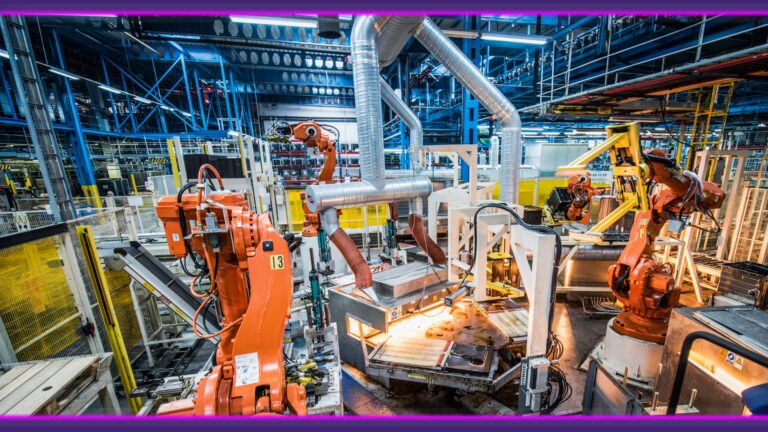
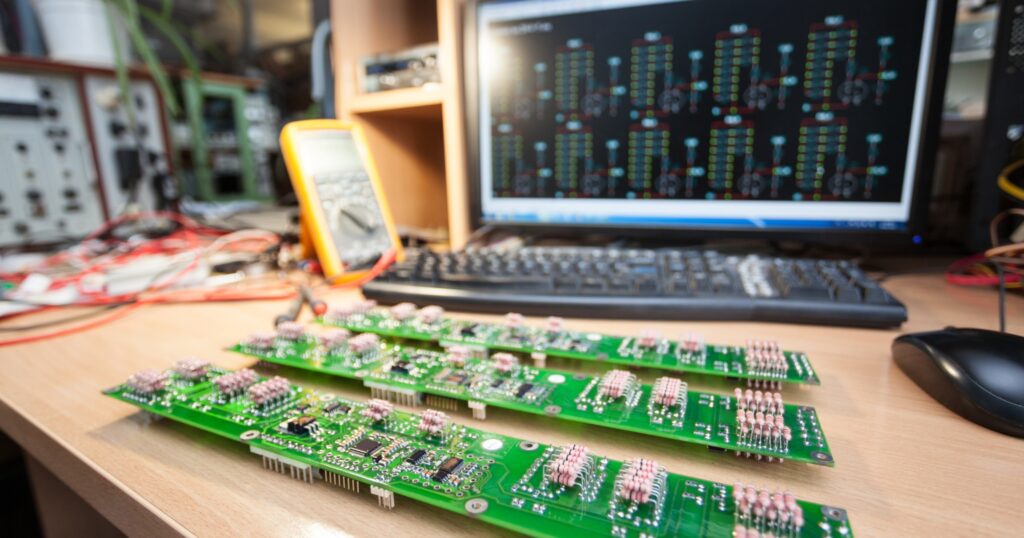
Cycle time is applicable in many industries. For example, in the automotive industry, precise determination of cycle time on the assembly line allows for process synchronisation and elimination of downtime. In electronics manufacturing, cycle time measurement enables the optimisation of robots and assembly systems, while in the food industry, it ensures the stability of packaging and logistics processes.
On the other hand, in logistics and warehousing, cycle time is used to optimise order fulfilment operations, where shorter lead times translate into higher customer satisfaction. Similarly, in services such as customer service centres, cycle time analysis allows for improvements in speed and quality of service.
Linking cycle time to operational efficiency
Operational efficiency is one of the main goals of production process optimisation. Cycle time is directly related to indicators such as OEE (Overall Equipment Effectiveness) and takt time, which help determine how efficiently available resources are being used.
Understanding and optimising cycle time allows companies to minimise losses resulting from downtime, overproduction or inefficient use of capacity, enabling them to better adapt to changing market conditions, increase their competitiveness and achieve higher profitability.
Methods of measuring cycle time
Production cycles can be measured manually or automatically. Manual cycle time measurement is one of the simplest methods, but also one of the most error-prone. It involves physically observing the process and recording the duration of individual operations using a stopwatch or other manual tools.
Advantages and disadvantages of the manual approach
Advantages:
- Low implementation cost – does not require advanced technology.
- The ability to quickly analyse and respond to current issues.
- Easy to use in small production facilities.
Disadvantages:
- High susceptibility to human error.
- The high cost of obtaining information.
- Limited capability for continuous monitoring.
Modern technology allows for the automation of cycle time measurement using IoT systems and smart sensors. Automated solutions eliminate human error and provide accurate data in real time.

Advantages of automatic measurement:
- Complete elimination of human error.
- Continuous monitoring without the need to involve operators.
- Access to accurate data in real time.
- The ability to immediately analyse and optimise processes.
Examples of automated solutions
Examples of applications:
- Assembly lines – monitoring the duration of each operation at workstations.
- CNC machines – precise measurement of machining time and detection of unplanned downtime.
- Belt conveyors – analysis of material flow and internal transport time.
- Packaging systems – optimisation of the packaging operation cycle.

Using cycle time to set the standard for operations
An operational standard is a specific, repeatable procedure for performing a given process within a specified time frame. Defining a standard thus allows for increased efficiency, reduced losses and better control over production quality. Furthermore, implementing clearly defined standards minimises inefficiencies and improves the predictability of operations.
Cycle time analysis allows you to determine the actual standard operating time. This process includes:
- Measurement of actual cycle times for individual production stages.
- Identification and elimination of anomalies and time losses.
- Determining the average value and defining the optimal time range for a given operation.
- Using standard operating times as a reference point for further optimisation.
The role of standards in process optimisation and planning
Why standardisation is crucial for efficiency
Standardising operations allows you to achieve repeatable results, increase productivity and reduce waste. By precisely defining standard operation times, it is possible to eliminate unnecessary activities and optimise workflow.
Elimination of losses and reduction of variability in processes
At the same time, major sources of loss, such as downtime, overproduction and quality errors, can be effectively eliminated through the implementation of operational standards. Furthermore, reducing variability in processes allows for more predictable results and increased operational stability.
Using standards for production capacity planning and cost optimisation
Knowledge of standard operation times allows you to:
- Accurate determination of production capacity – planning the number of resources needed to fulfil orders.
- Cost reduction – elimination of excessive inventories and minimisation of material losses.
- Better personnel management – optimal assignment of employees to positions based on actual demand.
Recommendations for the implementation of automatic measurement systems
Therefore, in order to effectively implement automatic cycle time monitoring systems, it is worth following a few key principles:
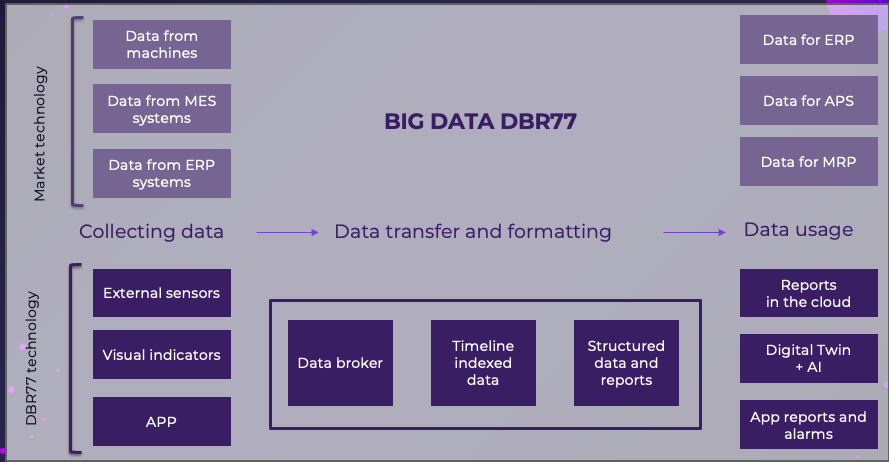
- Selection of appropriate technologies – selection of sensors and IoT systems tailored to the specific nature of the production process.
- Integration with existing systems – connecting the measurement system with ERP, MES, and other production management tools.
- Data analysis and interpretation – using advanced data analysis algorithms to identify patterns and optimise operations.
- Continuous improvement – regular updating of operational standards based on collected data.
- Staff training – ensuring that employees have the appropriate skills to use monitoring systems.
Summary and conclusions
Key benefits of cycle time monitoring
Precise cycle time measurement brings significant benefits to manufacturing companies. It enables:
Better production planning – more precise scheduling and forecasting.
Increased efficiency – elimination of losses resulting from suboptimal processes and downtime.
Improved resource management – better utilisation of people, machinery and materials.
Identification of areas for optimisation – opportunity to introduce improvements in work organisation.
Redukcję kosztów operacyjnych – minimalizacja zużycia surowców, energii i czasu pracy.
Autor: Piotr Wiśniewski
Find out more about IoT DBR
See also the video: