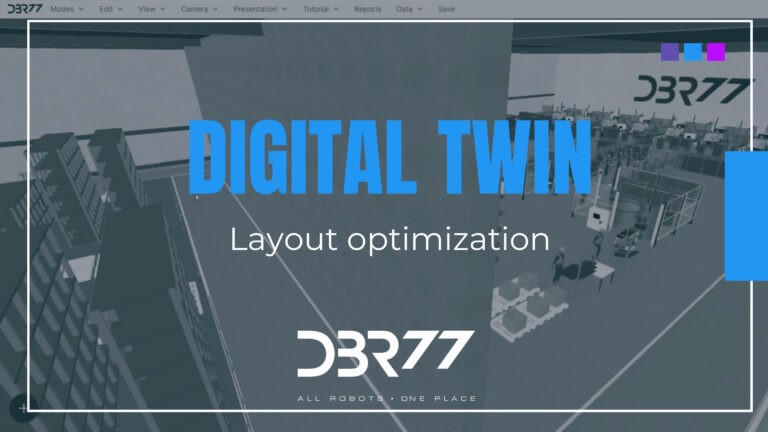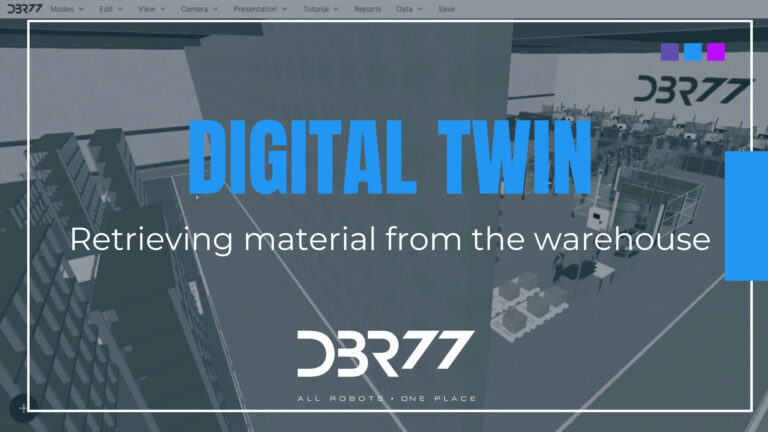
We invite you to familiarize yourself with the material that shows how you can support the decision-making process regarding the expansion of a production plant using a digital twin. In this regard, we return to further steps in our cooperation with the lamp manufacturing company.
Case description
The plant producing lamps for passenger cars is located in southern Poland and employs 270 people in two production shifts. The plant primarily carries out processes such as injection molding, painting, electroplating, assembly, labeling, quality control, and packaging. In addition, the plant is located in a 28,000 m² building and has a 12,000 m² warehouse.
Task description – plant expansion plan
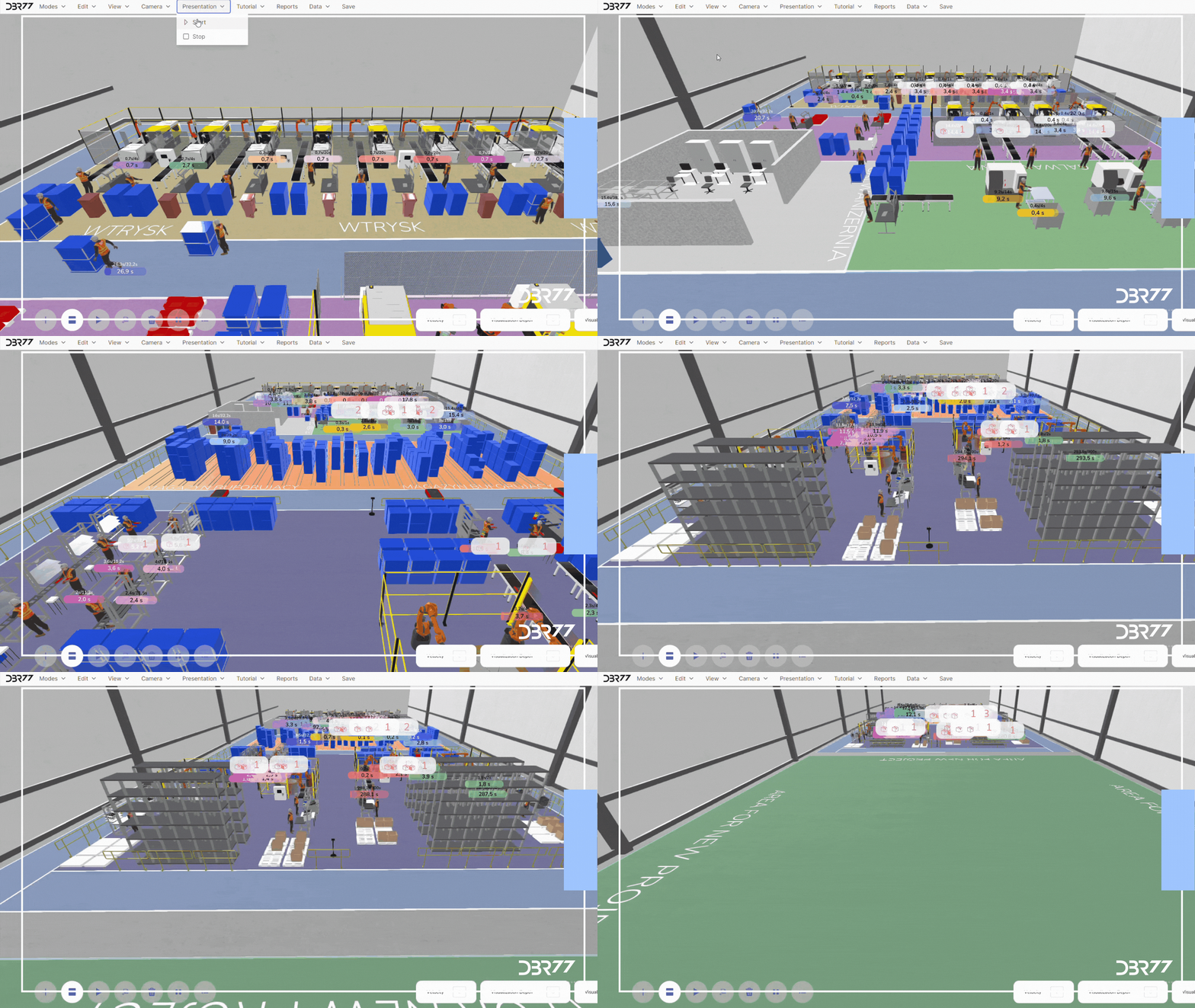
A production hall was added to the existing plant. Therefore, the plant expansion plan had to include a series of steps for relocating machines and expanding production capacity. The task set for the digital twin was to plan activities related to the gradual relocation and deployment of machines so that production could continue without interruption. In addition, an additional requirement was to analyze the capacity of intermediate storage facilities and the continuity of intralogistics deliveries.
Completed work
1. Building a Digital Twin:
- Adding a newly built area to the digital twin.
- Creation of material flows with the appropriate technological times for individual tasks.
- Process animations to select the order of implementation.
2. Analysis of relocation options:
- Analysis of production and material flow for each option.
- Complete the dependencies and select the next process to relocate.
- Launching a new area in animation mode and verifying assumptions.
Results and conclusions – plant expansion plan
A plan was drawn up to expand the plant in a way that would ensure production remained at the desired level. The main challenge in developing the plan was to determine the location and size of storage spaces between production processes. Simulation showed that the main cause of production losses was extended transport routes.
Benefits for the company
Thanks to the simulations carried out, the company developed an optimal plan for the sequence of machine relocation, taking into account the parallelization of processes. It is worth noting that as a result of the analysis, the final layout of the machines was also changed compared to what was assumed at the beginning of the analysis.
Why is Digital Twin the optimal solution?
1. Extremely fast prototyping of variants
Thanks to the DBR77 digital twin technology, it is possible to quickly create and test different design variants, allowing for efficient corrections and improvements. This speeds up the decision-making process and minimizes the time needed to develop the optimal solution.
2. Numerical analysis of the efficiency of each machine separately
A digital twin enables detailed analysis of the performance of each machine in the system. This allows you to accurately assess how the relocation of a given process affects the entire production ecosystem and select the order in which machines are moved so as to maintain your performance targets.
3. Analiza finalnego projektu linii przez zarząd w VR
Management can review and evaluate the final production line design in virtual reality. This allows for a more immersive and realistic understanding of the layout and identification of potential problems before implementing changes, which increases decision confidence.
SUMMARY
A production hall was added to the existing plant, which required consideration of machine relocation and expansion of production capacity. The key task for the digital twin was to plan activities related to the gradual relocation and placement of machines so that production could continue without disruption. The use of the Digital Twin made it possible to significantly reduce the time needed to verify business assumptions and identify the optimal sequence of work. In addition, to make it easier to understand and visualize the entire process, animations were made available in VR goggles, which allowed the management board to make a quicker decision on the sequence of the transferred processes.
Watch the entire video (switch YouTube settings to hear it in your language):