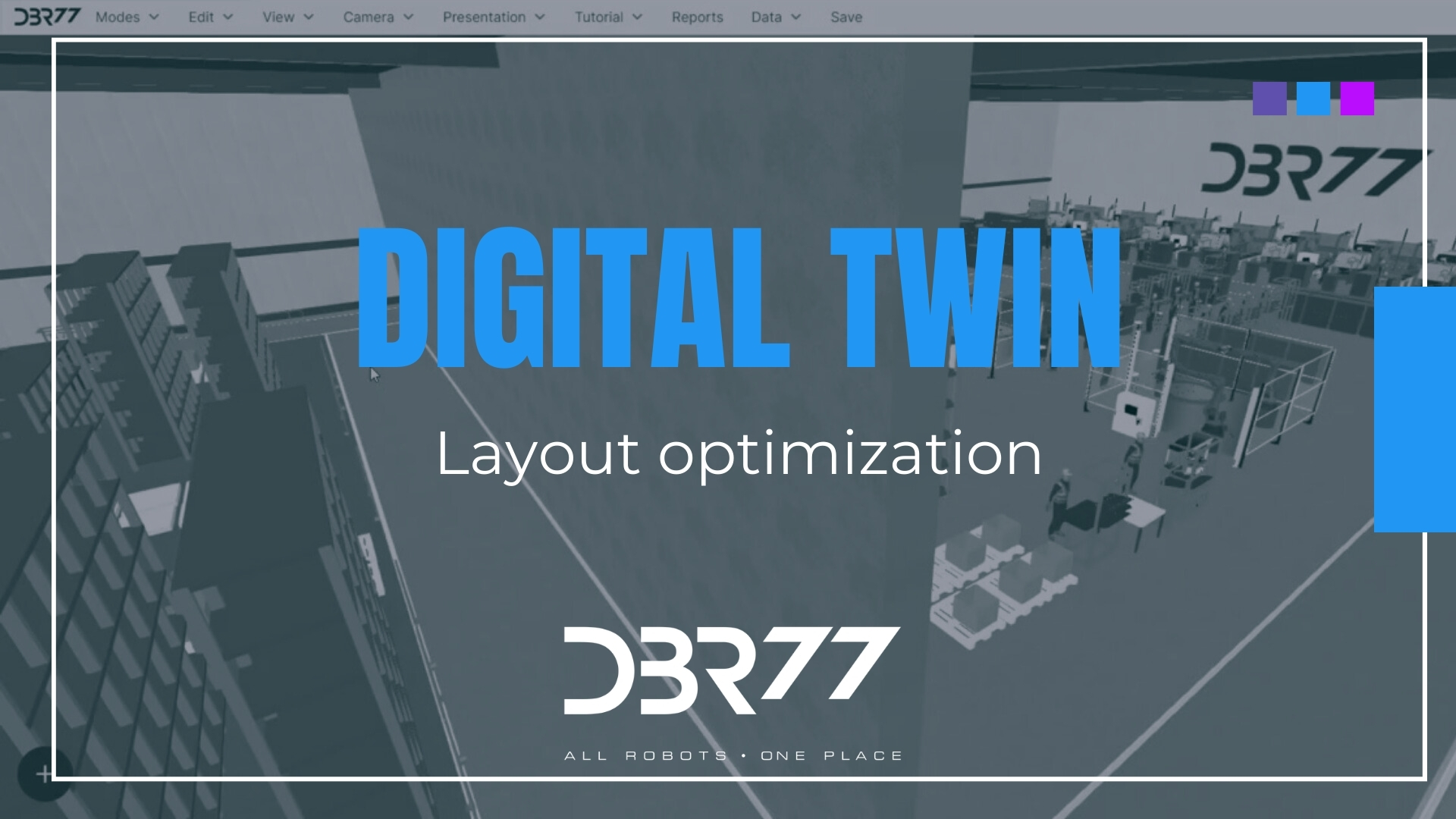
Welcome to the next part of our case study series, which will focus on the task of “layout optimization” in furniture production. Learn how modern approaches to spatial planning can contribute to increased operational efficiency and improved quality of manufactured furniture.
Case description
Our client is a medium-sized company specializing in the production of high-quality wooden furniture. The company has been operating on the market for over 20 years and is recognized both domestically and internationally. Production begins with the receipt of raw wood, which is cut into smaller pieces using a circular saw. These pieces are then machined on CNC machines, where they are milled, cut, and finished as required. After CNC machining, the parts are sent to assembly stations, where craftsmen assemble the furniture from the finished components. In addition, the entire production process is strictly monitored for quality to ensure compliance with the company’s high standards.
Task description – layout optimization
Our main challenge was to improve the current production and warehouse layout, which did not correspond to the dynamic production environment. The complexity and diversity of the manufactured items resulted in slow material and information flow, which negatively affected operational efficiency. In addition, the lack of adequate buffering of materials and finished products limited production flexibility and increased susceptibility to delays.

Completed work
1. Building a Digital Twin:
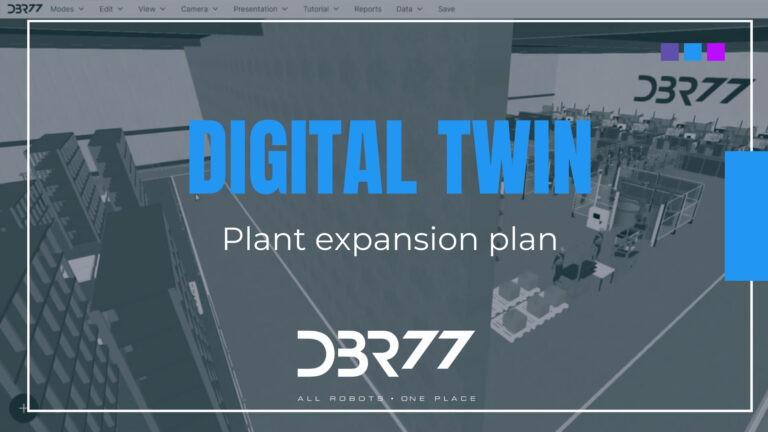
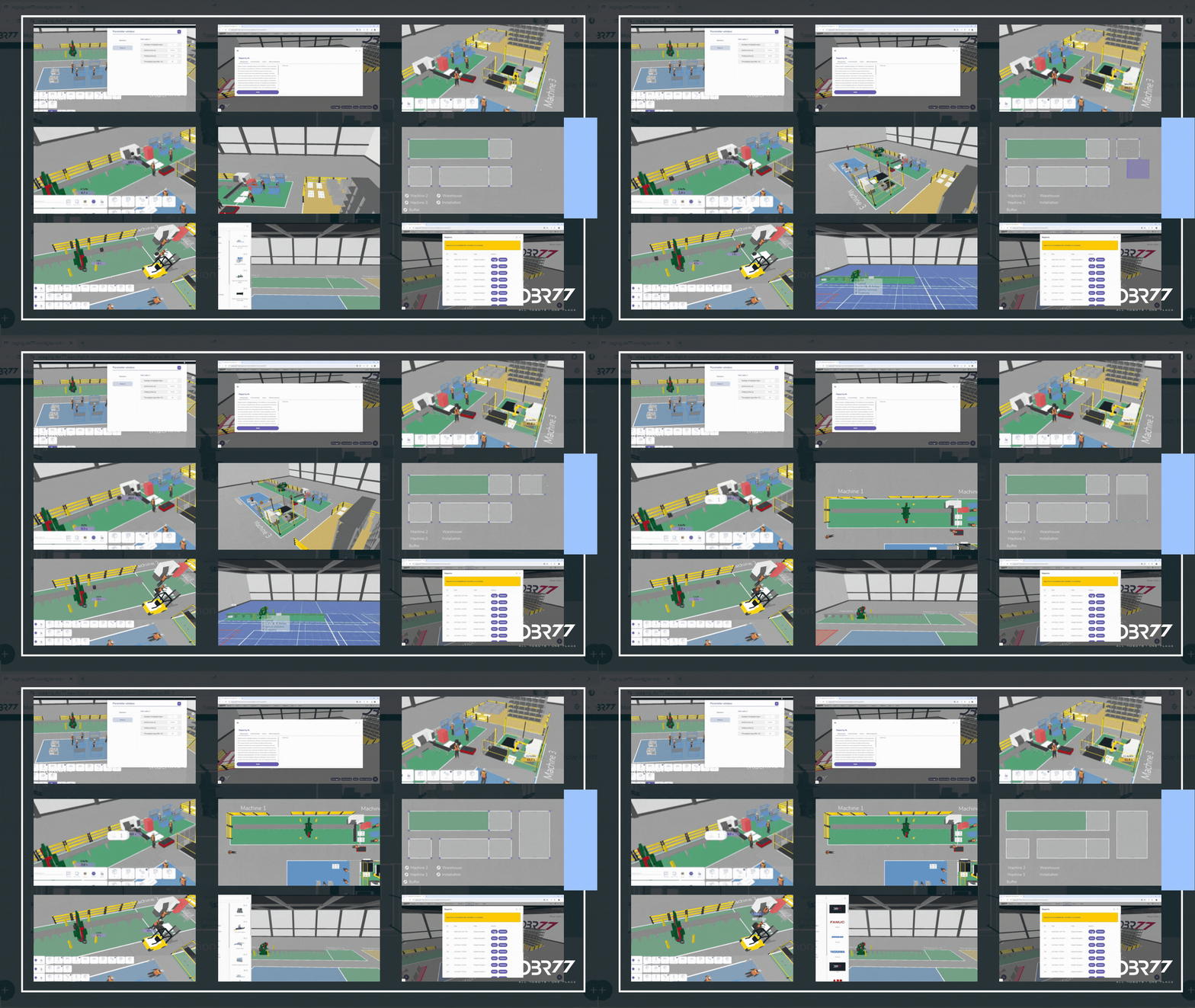
- Creation of a digital twin reflecting the current production and warehouse layout.
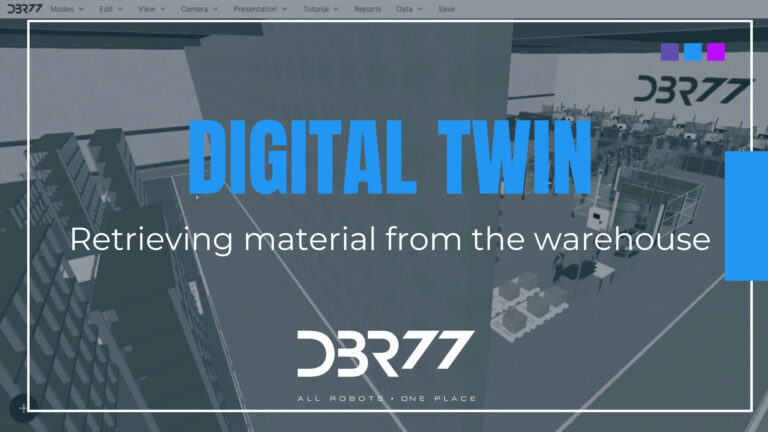
- Simulation of material flow.
- Development of a new production and warehouse layout.
2. Designing a new layout:
- Using AI to identify key areas requiring optimization.
- Development of new layout proposals, taking into account the complexity and diversity of manufactured products, supported by AI.
- Selection of the optimal layout solution, taking into account the specific capabilities of the company by specialists.
- Simulation of the selected layout variant using the DBR77 digital twin.
Results and conclusions – layout optimization
The implementation of the new layout using the DBR77 digital twin and the use of AI algorithms brought visible results:
- Reduction in working capital: The elimination of the buffer resulted in a reduction in working capital of PLN 300,000.
- Reduction in departmental costs: Departmental costs were reduced by 14%, contributing to an overall reduction in operating costs.
- Reduction in direct labor costs: Thanks to layout optimization, it was also possible to reduce the demand for direct labor by 1.5 full-time positions.
Benefits for the company
The implementation of digital twin technology and AI support in the layout design process has brought measurable benefits, including cost and time savings. In addition, it enabled the company to better adapt to dynamic market requirements, increasing its competitiveness. Mapping the production area took several days, but further optimization activities using artificial intelligence took seconds rather than days.
These findings confirm that the use of advanced digital technologies is crucial for modern production and warehousing processes, enabling rapid response to changes and continuous improvement of operational efficiency.
Why is Digital Twin the optimal solution?
1. Quick process mapping capability
A digital twin allows for quick and accurate reproduction of the actual production process in a virtual environment. Thanks to advanced modeling and visualization tools, processes can be mapped with high precision, enabling better understanding and analysis of their functioning. Rapid mapping reduces the time needed for planning and implementation, which is crucial in dynamic and competitive markets.
2. Use of AI algorithms
The use of AI algorithms enables even more advanced data analysis and automation of decision-making processes. In addition, AI algorithms support pattern identification, parameter optimization, and rapid adaptation to changing market conditions, which increases operational efficiency and competitiveness.
3. Ease of updating assumptions and generating new alternative material withdrawal lines
A digital twin offers flexibility in updating assumptions and creating new alternative scenarios. As production conditions change, assumptions can be easily modified and new alternative material withdrawal lines can be quickly generated. Therefore, the ability to adapt allows you to respond to changes in the production environment on an ongoing basis, which increases efficiency and operational flexibility.
SUMMARY
In summary, the implementation of the DBR77 digital twin and artificial intelligence (AI) has brought significant benefits to the company, enabling accurate mapping of production and warehouse processes, faster response to changes, and operational optimization. Integration with AI automated data analysis, supporting more accurate management decisions. As a result, operating costs and the time required to move materials and employees were significantly reduced, which increased the company’s efficiency and flexibility and strengthened its position in a dynamic market.
Watch the entire video (switch YouTube settings to hear it in your language):