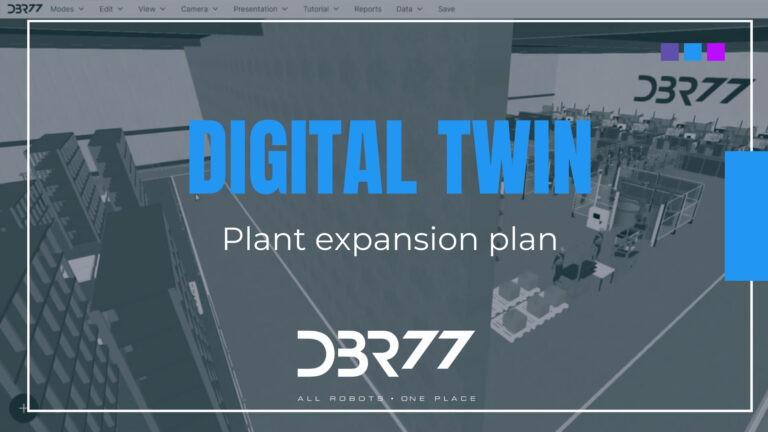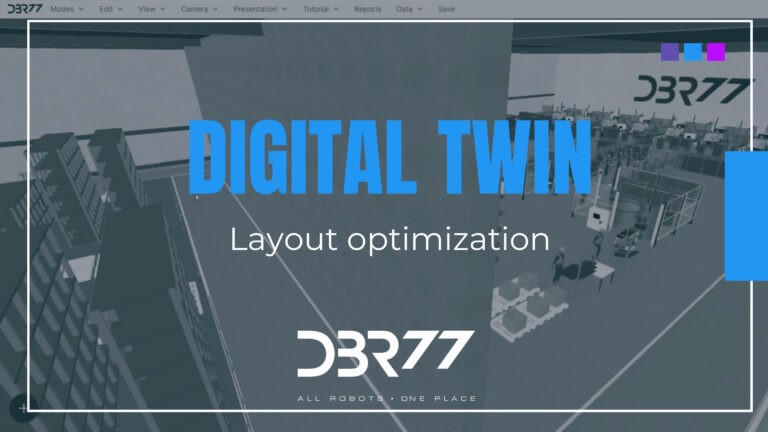
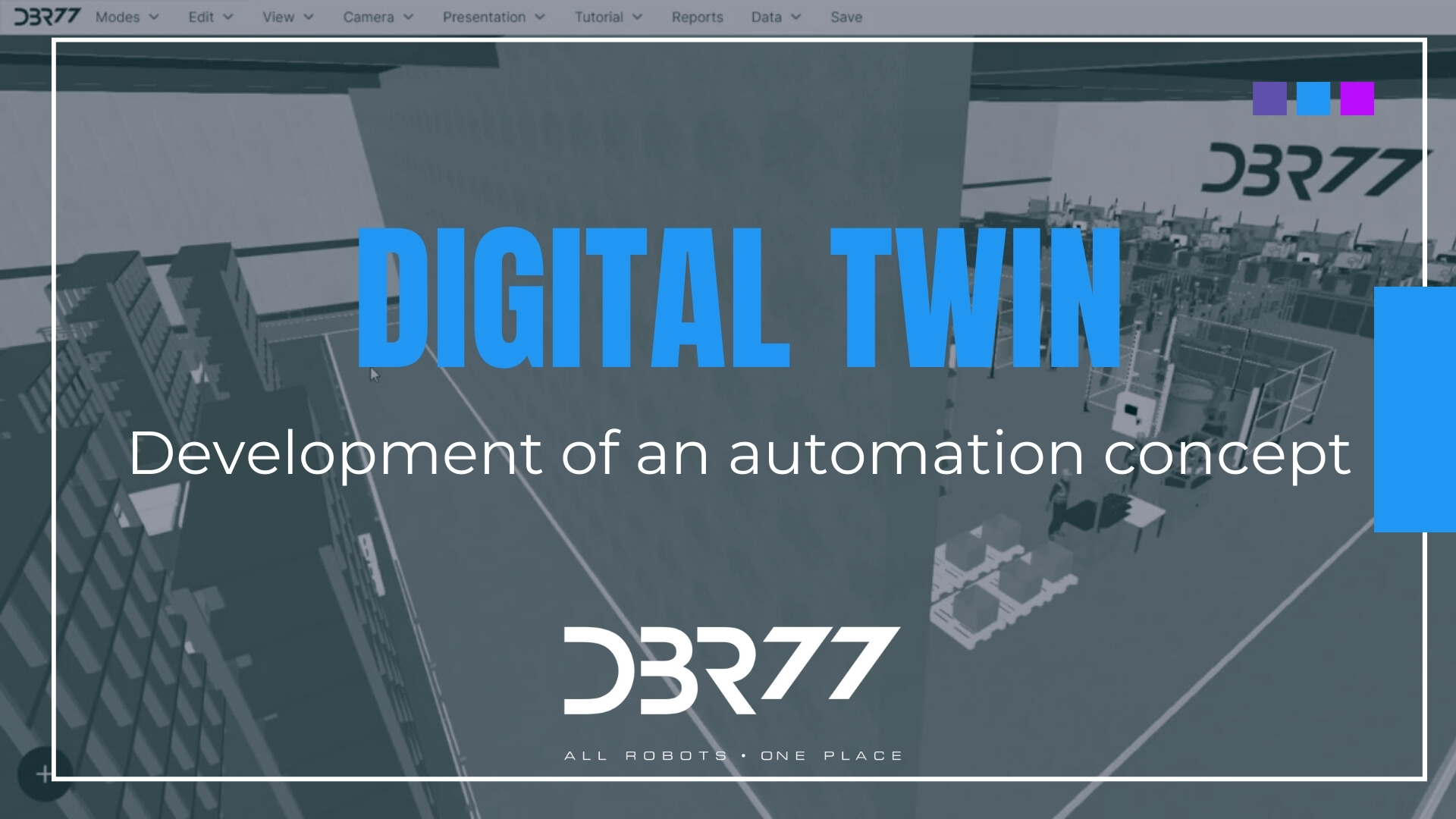
In this section, you will see what the development of a production line automation concept in the DBR77 digital twin might look like. The implementation took place at a company involved in plastic injection molding in the household appliances industry.
Case description
The plant producing components for the household appliances industry is located in central Poland and employs over 200 people working in three production shifts. The following processes take place at the plant: injection molding, extrusion, thermoforming, assembly, packaging, quality control, and packing. The facility covers an area of 20,000 m², and the warehouse has a size of 8,000 m².

Task description – developing an automation concept
The customer approached us with a task involving the analysis of the possibilities for automation and robotization of a number of production stations performing work on the line.
The analysis covered both technological capabilities and operational efficiency (OEE and productivity analysis) of the target automated line. Therefore, alternative automation scenarios were developed as part of the work, along with an economic analysis of each option.
Completed work
1. Building a Digital Twin:
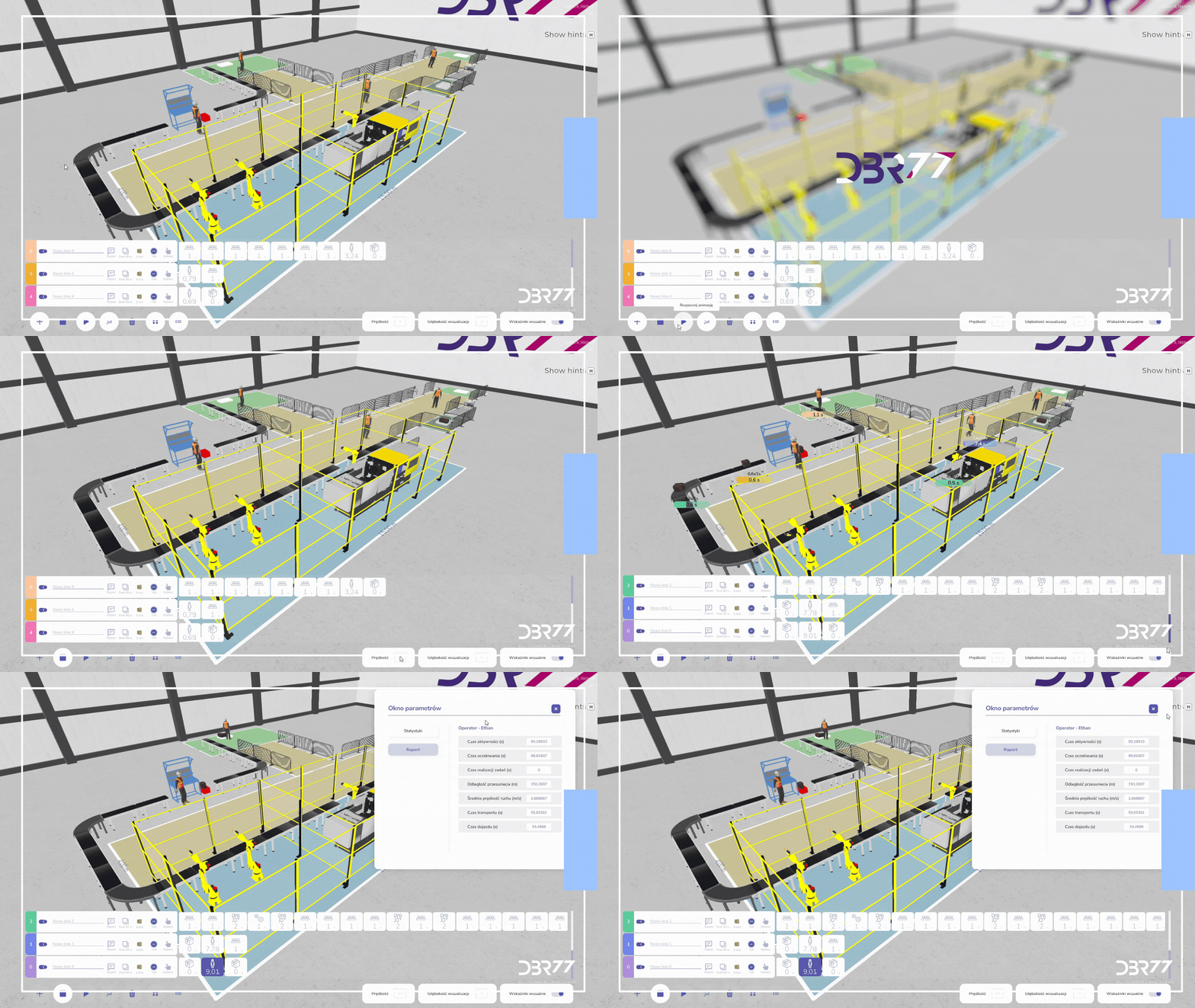
- Creation of a digital twin representing a selected part of the plant.
- Creation of material flows with the appropriate technological times for individual tasks.
- Selecting tasks with the greatest procedural, economic, and ergonomic significance for automation.
2. Analysis of betting options:
- Developing assumptions for alternative automation scenarios.
- In the next iteration of the analysis, a twin was prepared with a simulation of automatic transport between stations.
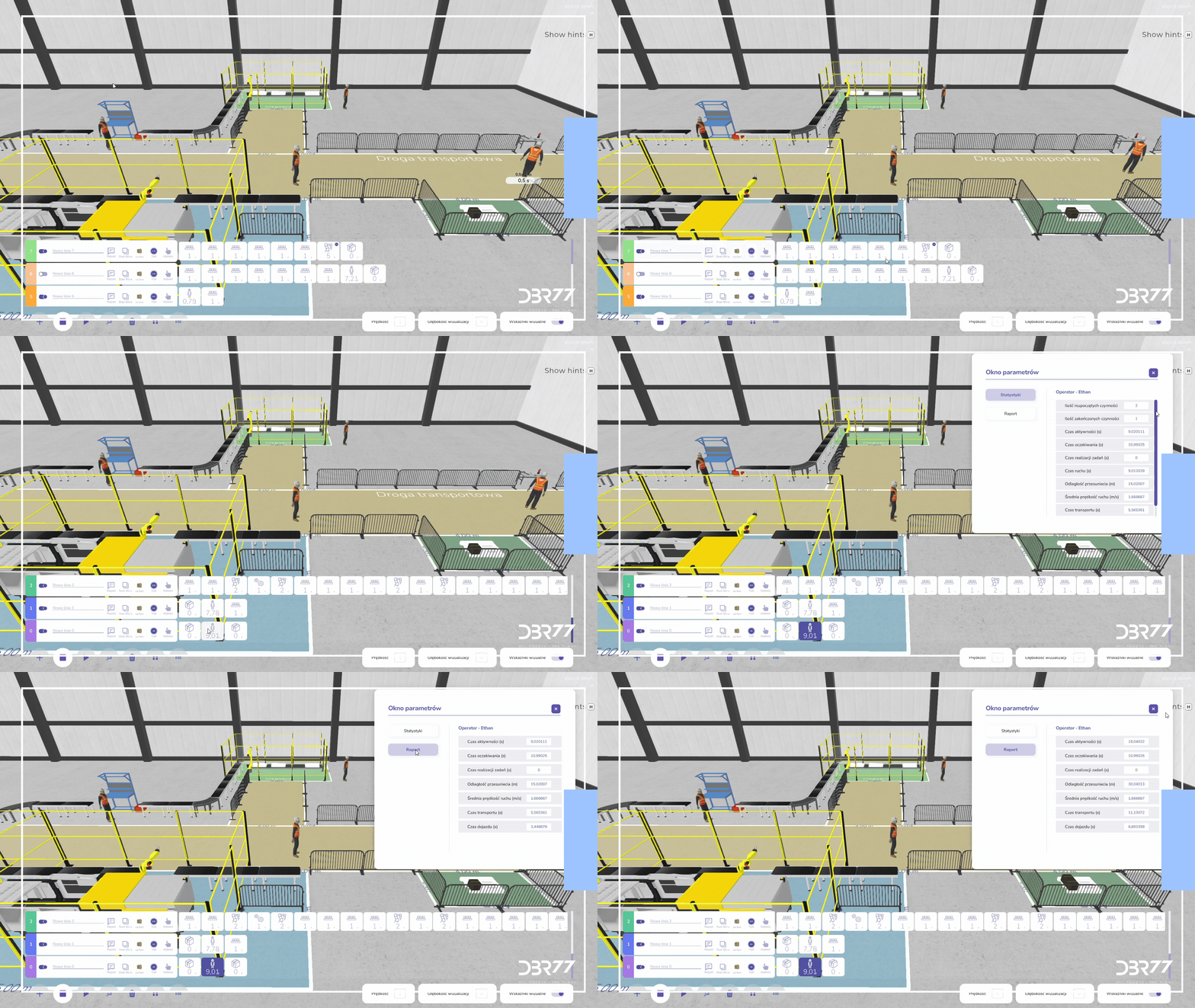
- Efficiency, productivity, and working time reports have been prepared for all organizational variants.
Results and conclusions – development of an automation concept
The analysis revealed technological opportunities in the field of automation and robotization of production processes. Possibilities for automation of intralogistics (including non-ergonomic tasks) and automatic quality control were proposed.
The visualization of the process clearly indicated a bottleneck in the form of a manual process performed by the first operator (90 seconds of activity and 98 seconds of waiting), where replacing the operator with an autonomous cart resulted in an increase in efficiency of over 100%. This made it possible to determine the conditions for the economic profitability of the investment.
Benefits for the company
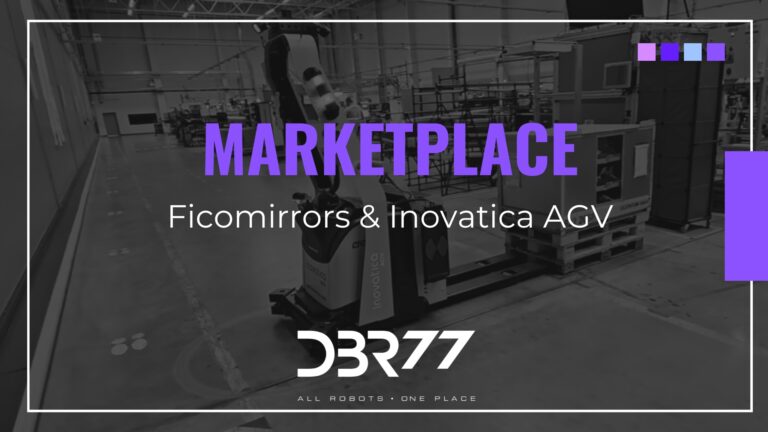
Thanks to the use of a digital twin, the company prepared a variant analysis of the automation process for a selected area in just a few days. The use of a digital twin enabled an informed investment decision to be made (both operational and financial regarding automation). As a result, based on the developed target concept for transport automation, it was possible to efficiently select a technology provider on the marketplace.
Why is Digital Twin the optimal solution?
1. A wide range of machine models and ease of selection for projects:
The DBR77 digital twin has an extensive library of industrial robots, collaborative robots, and mobile robots. In addition, the library is equipped with the most popular metalworking and plastics processing machines. This allows for quick and efficient creation of layouts and alternative variants.
2. Ease of creating animations for production lines:
Due to the fact that the DBR77 digital twin is a product that works in a web browser without the need for a high-performance computer, work can be carried out without unnecessary delay. In addition, the 3D environment based on the Unity engine allows for quick and easy scene building. The animations of individual production steps are also characterized by simplicity in defining the process, which allows the user to verify their assumptions very quickly.
3. Ease of varying decisions and evaluating the effectiveness of individual variants:
When creating the base layout, the user can freely modify the process assumptions by turning individual animation lines on and off with a single button. Versioning can be done by duplicating scenes or copying an exact representation of the plant layout or its fragment, so that individual versions can also be visually compared.
SUMMARY
In summary, the development of a production line automation concept for a company involved in plastic injection molding in the household appliances industry included an analysis of technological and economic possibilities and the creation of a DBR77 digital twin. The implementation of the project led to the identification of key areas for automation, which significantly increased operational and ergonomic efficiency through the use of modern robotic solutions. As a result, the company was able to make an informed decision to invest in automation, supported by accurate efficiency and productivity analyses based on virtual models of production processes.
Watch the entire video (switch YouTube settings to hear it in your language):